
Master Meal Prep for Athletic Performance
Scientific nutrition strategies tailored for men's fitness goals. Learn how strategic meal preparation fuels muscle growth, recovery, and sustained energy throughout your training cycle.
Optimized Macros for Muscle Building
Precisely calculated protein, carbs, and fats aligned with your training intensity and body composition goals.
Time-Efficient Batch Cooking
Prepare 4-7 days of meals in 2-3 hours. Smart ingredient selection minimizes cooking time without sacrificing nutrition.
Consistent Caloric Tracking
Eliminate guesswork. Pre-portioned meals ensure you hit daily targets for sustainable progress toward your fitness vision.
Whole-Food Nutrition Focus
Emphasize unprocessed ingredients—lean meats, whole grains, vegetables—for superior micronutrient density and sustained satiety.
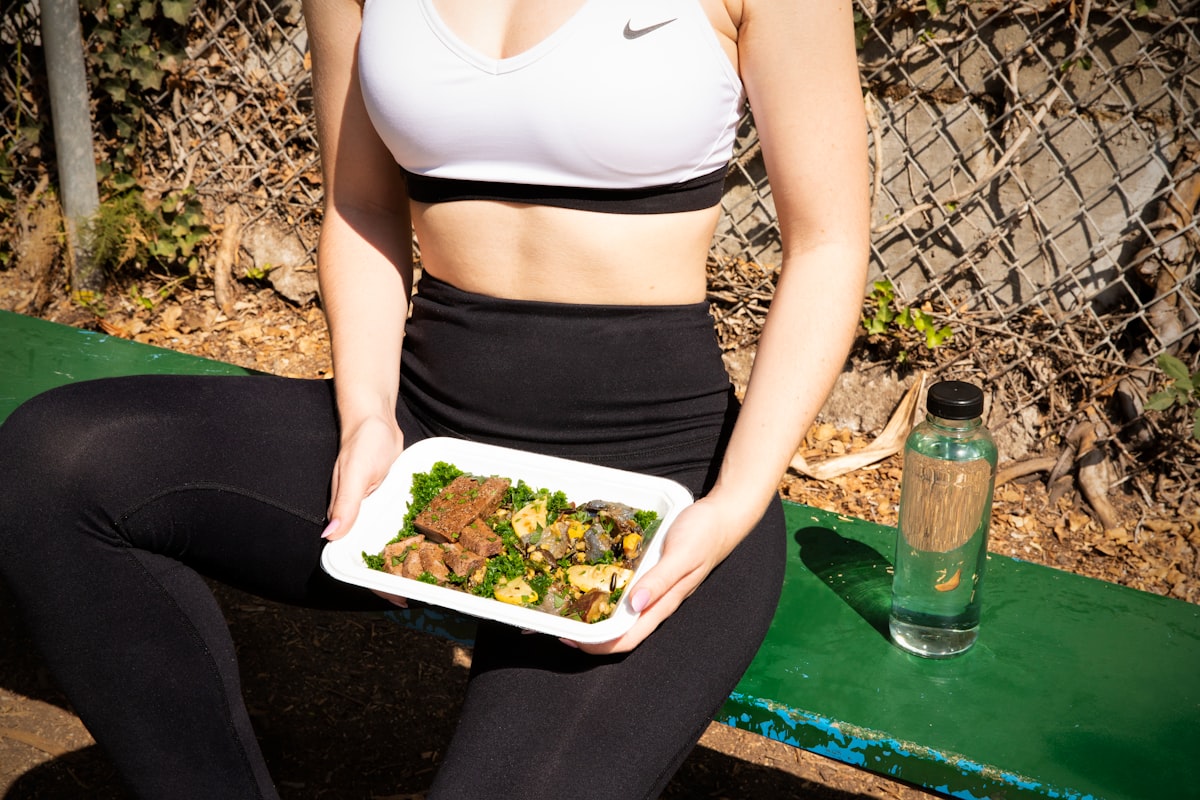
Community Insight
"Meal prep transformed my consistency. No more impulse eating."
— Marcus, Jakarta
The information on this site is for educational purposes only and does not constitute medical advice. Always consult a qualified healthcare professional before making health decisions.
5-Step Meal Prep Workflow
A structured approach used by fitness-focused men across Indonesia to build sustainable nutrition habits.
Plan Your Weekly Macros
Assess your training split, goal (bulk/cut/maintain), and activity level. Calculate daily calorie needs and macro targets. Write down your protein goal (0.8–1g per pound of body weight), carb range, and fat minimum. This 15-minute planning session prevents mid-week improvisation.
Select & Shop Base Ingredients
Choose 3–4 protein sources (chicken breast, ground turkey, beef, salmon), 2–3 carb bases (rice, sweet potato, oats), and 3–4 vegetables. Build a shopping list organized by store section. Buy in bulk where possible. Local wet markets in Jakarta and Bandung often offer better pricing on fresh proteins and produce than convenience stores.
Batch Cook & Season
Clean and prep all ingredients. Cook proteins in bulk using oven, stovetop, or slow cooker. Roast or steam vegetables. Cook grains in large batches. Season generously—flavor is essential for adherence. Many men skip seasoning to "save calories," but 1–2 teaspoons of oil or low-sodium seasonings add negligible calories and dramatically improve consistency with your plan.
Portion & Containerize
Use a food scale to measure exact portions into glass or BPA-free plastic containers. Follow your macro targets: label each container with date and contents. A standard meal might contain 150g protein, 200g carbs, and 25g fat. Proper portioning eliminates the need to weigh food daily—grab, heat, eat.
Store & Track Intake
Refrigerate meals for 3–4 days or freeze for up to 8 weeks. Thaw frozen meals overnight in the fridge. Log meals in a tracking app or notebook to monitor adherence. Weekly review: Are you hitting macros? How is energy and workout performance? Adjust portions or ingredients based on real feedback, not guesswork.
Core Features That Drive Results
Six pillars of effective meal prep specifically designed for men pursuing serious fitness outcomes.
Precise Macro Calculation
Remove ambiguity. Calculate exact protein, carbohydrate, and fat targets based on body weight, training volume, and goal. Use multipliers: 0.8–1g protein per pound for muscle building, 40–50% of calories from carbs for energy, 20–30% from fats for hormonal health.
Minimal Prep Time
Spend 2–3 hours once weekly to prepare 5–7 days of meals. Batch cooking (all proteins at once, all vegetables together) compresses active cooking time. Choose quick-cooking proteins like ground turkey and pre-cut vegetables to shave hours off preparation.
Zero Guesswork
Pre-portioned, labeled meals eliminate daily decisions. No "Is this enough protein?" moments. No mid-day hunger rationalization. Grab a container, heat, consume—your nutrition is handled. This consistency is the hidden engine behind visible progress.
Cost-Efficient Nutrition
Buying whole ingredients in bulk is 30–50% cheaper than daily takeout or gym supplements. Chicken breast, eggs, rice, and seasonal vegetables offer maximum nutrition per rupiah. Reduce food waste by using every ingredient strategically across multiple meals.
Nutritional Density Focus
Prioritize whole foods: lean proteins, complex carbohydrates, colorful vegetables. Avoid empty calories from processed snacks or sugary drinks. Every meal contributes fiber, micronutrients, and sustained energy—not just calories.
Progress Tracking
Log weekly. Monitor scale weight, gym performance, energy levels, and how clothes fit. Adjust calorie or macro targets every 2–3 weeks based on real data. Small tweaks prevent plateaus and keep you moving toward your goal.
Nutrition Science Behind Muscle Growth
Understanding the physiology helps you commit to consistent meal prep with confidence.
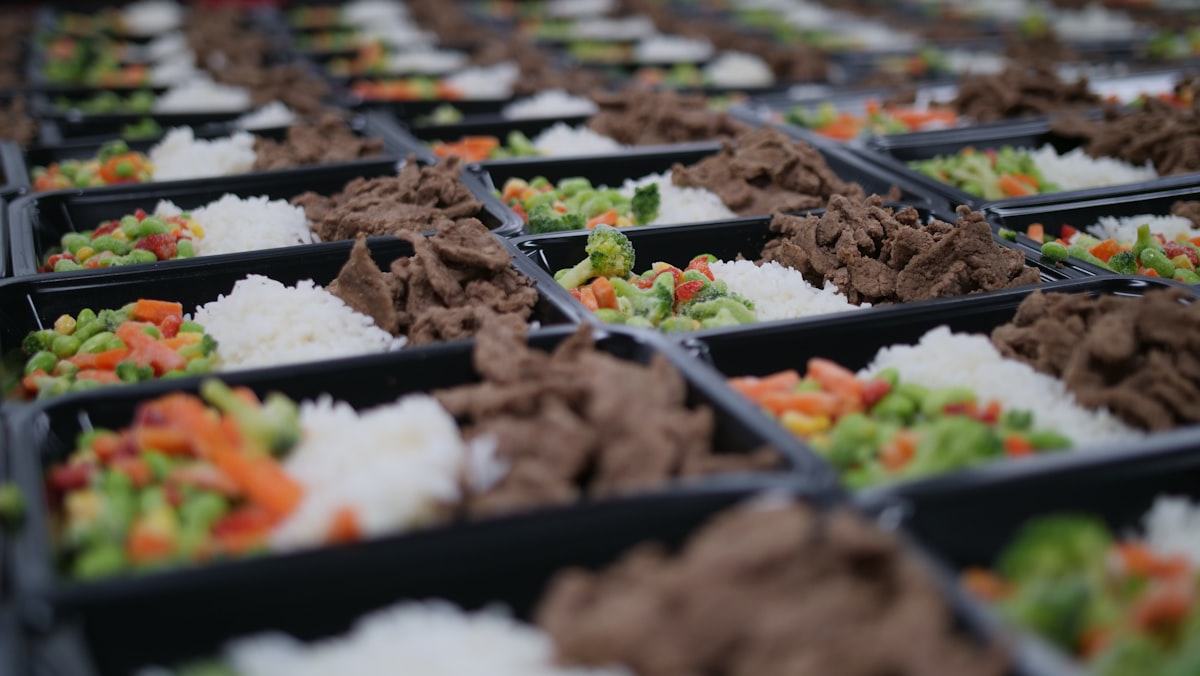
Protein Synthesis & Muscle Repair
When you lift weights, muscle fibers experience micro-damage. Protein provides amino acids your body uses to repair and rebuild fibers larger and stronger. Aim for 0.8–1g of protein per pound of body weight daily, spread across 4–5 meals. This consistent intake optimizes the muscle-building window post-workout (the window extends 24+ hours, not just 30 minutes).
Carbohydrates Fuel Training Intensity
Carbs replenish muscle glycogen—your primary fuel during resistance training. Adequate carbs (40–50% of daily calories) support strength, endurance, and workout performance. Insufficient carbs impair recovery and hormone production. Time carbs around training for maximum effect: eat complex carbs 2–3 hours before lifting, and simple carbs (like rice or fruit) in your post-workout meal.
Fats Support Hormone Production
Dietary fat is essential for testosterone, cortisol, and other hormones that regulate muscle growth, mood, and recovery. A minimum 0.3g of fat per pound of body weight (or 20–30% of total calories) is critical. Do not fall below this threshold—it directly impacts hormonal environment and progress.
Micronutrients & Recovery
Vitamins and minerals (iron, zinc, magnesium, B vitamins) regulate energy metabolism, immune function, and inflammation management. Whole foods—vegetables, fruits, and legumes—deliver these micronutrients. Supplementing with a multivitamin is reasonable insurance, but food should be primary.
Real Meal Prep Examples & Container Setup
Visual inspiration and practical container strategies used by fitness-focused men across Indonesia.
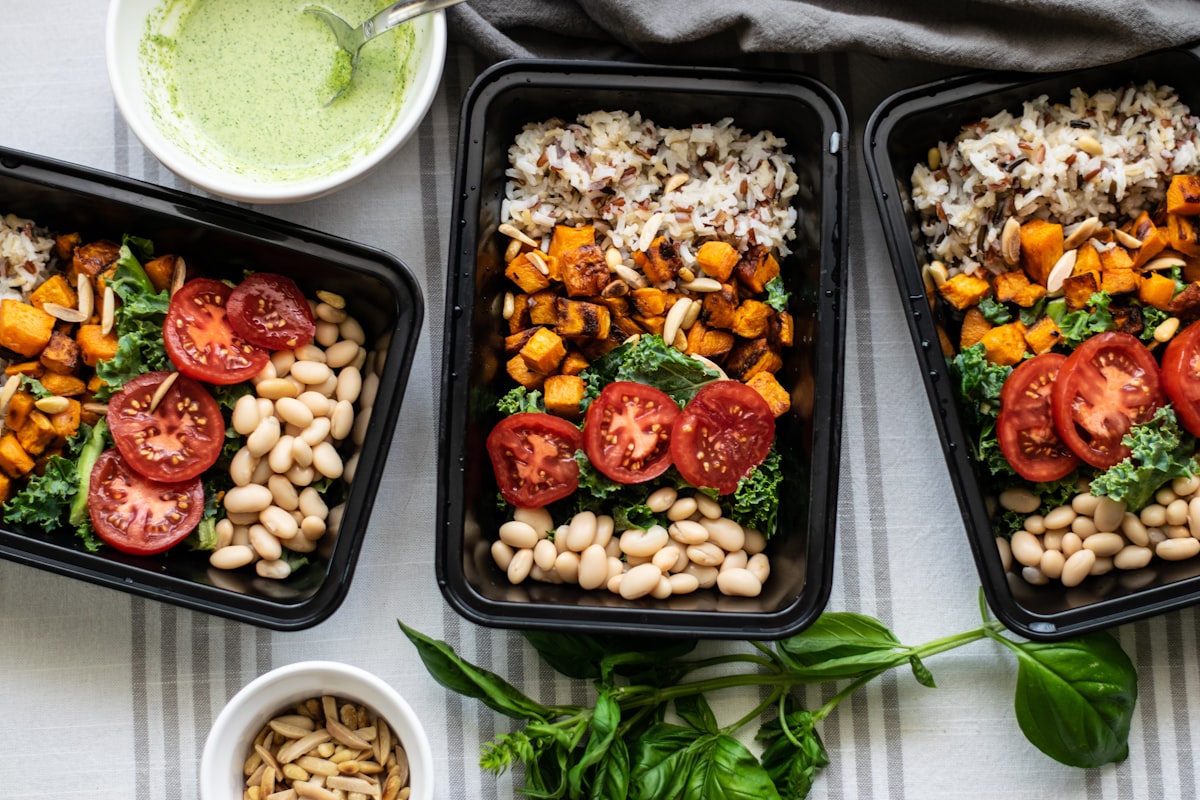
Classic Bulk Meal
Protein: 150g grilled chicken breast
Carbs: 200g brown rice
Vegetables: 150g steamed broccoli
Fat: 1 tbsp olive oil drizzle
~520 cal | 50g protein | 65g carbs | 10g fat
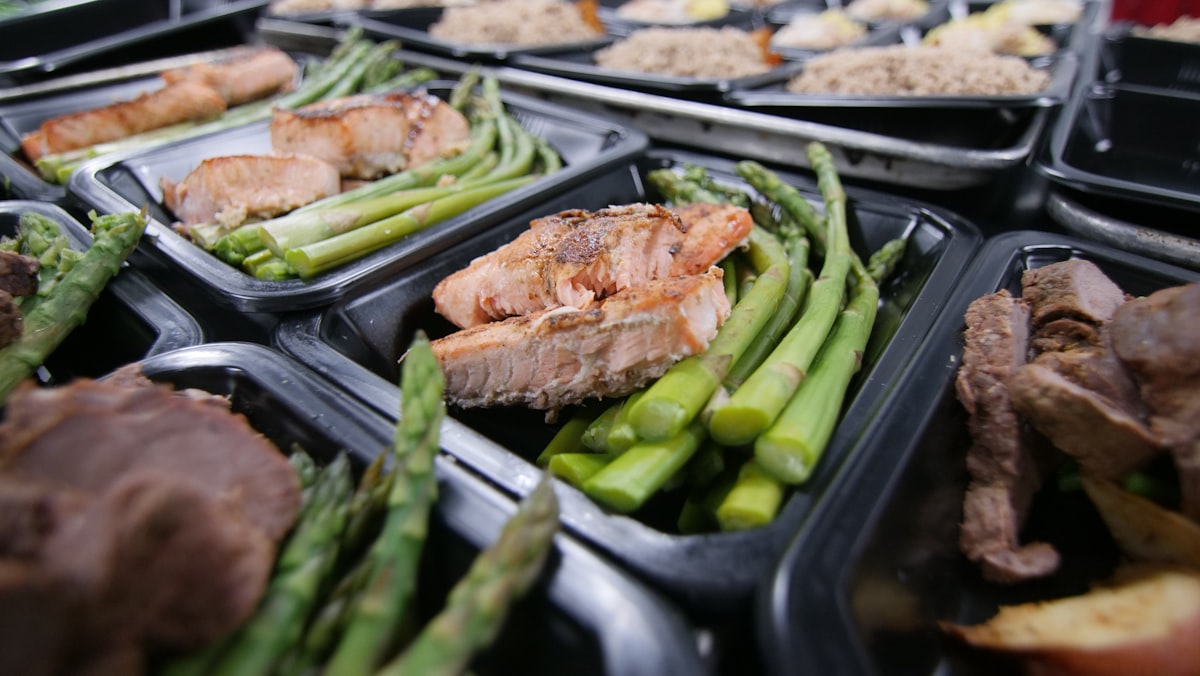
Lean Mince Build
Protein: 180g ground turkey (93/7 lean)
Carbs: 200g roasted sweet potato
Vegetables: 100g mixed peppers & onions
Fat: Cooking spray (minimal added fat)
~490 cal | 52g protein | 58g carbs | 8g fat
Omega-3 Rich Meal
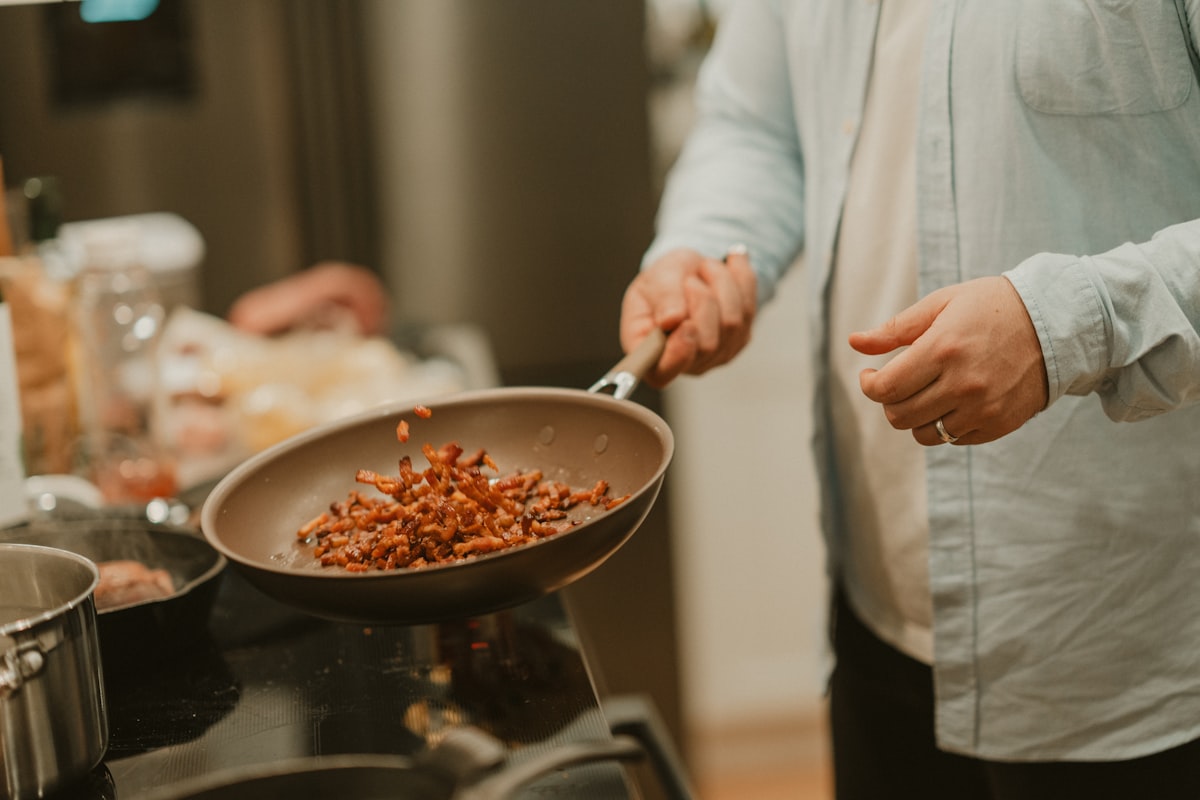
Protein: 140g baked salmon
Carbs: 180g cooked quinoa
Vegetables: 150g roasted zucchini & carrots
Fat: Salmon provides 12g natural omega-3s
~530 cal | 45g protein | 52g carbs | 16g fat
Breakfast Fuel
Protein: 3 whole eggs + 1 egg white
Carbs: 60g oatmeal with 1 banana
Vegetables: Spinach cooked into eggs
Fat: 1 tbsp almond butter
~420 cal | 22g protein | 48g carbs | 12g fat
Post-Workout Refuel
Protein: 140g shredded chicken
Carbs: 3 rice cakes + 1 apple
Vegetables: Mixed salad (minimal fat)
Fat: 5g (from dressing)
~380 cal | 48g protein | 48g carbs | 5g fat

Protein Snack
Protein: 150g Greek yogurt (non-fat)
Carbs: 100g mixed berries
Vegetables: None (fruit provides micronutrients)
Fat: 25g almonds
~250 cal | 22g protein | 22g carbs | 8g fat
Container & Storage Tips
Best Containers
- • Glass containers: Microwave-safe, durable, non-toxic. Slight weight penalty but last years.
- • BPA-free plastic: Lightweight, affordable, easier transport to gym or office.
- • Divided compartments: Keep protein, carbs, and vegetables separate to prevent sogginess.
- • Tight-sealing lids: Prevent leaks in gym bag or work backpack.
Storage & Shelf Life
- • Refrigerate (3–4 days): Most cooked meals. Chicken, ground meat, rice, vegetables.
- • Freeze (up to 8 weeks): Portion extras into single servings for easy grab-and-go meals.
- • Label containers: Date and contents to avoid confusion.
What Our Users Say
Join thousands who've transformed their meal planning with Wellplanexpert.
Sarah Martinez
Busy Professional
"Wellplanexpert saved me hours every week. I went from ordering takeout daily to meal prepping like a pro. My family loves the healthy meals, and I love the savings!"
James Kim
Fitness Enthusiast
"The macro tracking and personalized plans helped me hit my fitness goals without feeling restricted. The recipes are delicious and easy to follow. Highly recommend!"
Lisa Patel
Parent of Two
"Getting my kids to eat healthier was always a battle. Wellplanexpert's family meal plans made it fun. Now everyone enjoys nutritious meals together!"
Frequently Asked Questions
Find answers to common questions about Wellplanexpert.